 Skip to content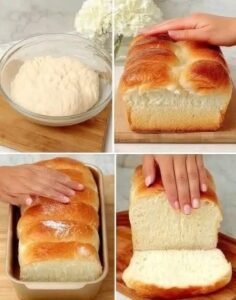
Finding a way to enjoy a soft and pillowy loaf of bread while following a very low carb lifestyle can often feel like an impossible dream for many food lovers. This recipe for very low carb Japanese milk bread is designed to bridge that gap by using clever ingredients that mimic the legendary texture of traditional Hokkaido milk bread without the heavy sugar and starch. Usually this type of bread relies on a special starter made from flour and water but we have found a way to create that same fluffy and bouncy crumb using healthy alternatives that keep your energy steady. The result is a beautiful golden loaf that feels light as a cloud when you press it and has a subtle milky sweetness that melts away on your tongue with every single bite. You do not need to be a professional baker to master this process because the steps are laid out in a very logical and friendly way that even a total beginner can follow at home. By focusing on high quality fats and specialized fibers we are able to recreate the magic of a bakery fresh loaf right in your own kitchen without the guilt of extra carbohydrates. It is a fantastic alternative for anyone who misses the simple joy of a thick slice of buttered toast or a soft sandwich bun but wants to stay focused on their long term wellness goals. This bread is a celebration of how far modern healthy baking has come and how we can still enjoy our favorite comfort foods by thinking outside of the box with our pantry staples.
People absolutely love this recipe because it restores a sense of normalcy and indulgence to a diet that can sometimes feel restrictive or boring over time. There is a specific kind of happiness that comes from pulling a warm and fragrant loaf of bread out of the oven and knowing that you can actually eat a generous slice of it. Many home cooks are shocked by how flexible and stretchy the dough becomes even without traditional wheat flour which makes the experience of kneading and shaping the rolls very satisfying and tactile. It has become a favorite in the keto and fitness communities because it provides a wonderful source of fiber and protein while keeping the net carbs at an absolute minimum for each serving. You will appreciate how the bread holds its structure perfectly which means it can be toasted or grilled or used for a hearty sandwich without falling apart into crumbs like many other low carb breads tend to do. The smell that fills your home while this bread is proofing and baking is absolutely heavenly and creates a cozy and welcoming atmosphere for your whole family to enjoy. It is an honest and reliable recipe that delivers on its promise of a soft and airy texture that feels like a real treat rather than a compromise on flavor or quality. Everyone who tries a piece is usually amazed that a bread this soft and bouncy could actually be a healthy choice that supports a low carb lifestyle.
You should make this recipe whenever you are feeling a bit homesick for traditional comfort foods or when you want to impress your friends with a healthy baking project that looks and tastes professional. It is an excellent choice for a slow Sunday morning when you have the time to let the dough rise properly and you want to treat yourself to a luxurious breakfast with sugar free jam or salted butter. From a fitness perspective this bread is a total game changer because it allows you to hit your daily fiber targets while keeping your insulin levels low and your satiety levels very high throughout the day. If you have been struggling to find a bread that does not cause a heavy afternoon crash this Japanese milk bread alternative is exactly what you need to keep your brain and body fueled correctly. Emotionally there is something very grounding and peaceful about the process of shaping the little rolls of dough and watching them grow into a magnificent and tall loaf inside the pan. You might want to make a double batch during the weekend so that you have plenty of slices ready for quick lunches or snacks during your busy work week ahead. Whether you are a dedicated athlete or someone just trying to eat a little bit better this recipe fits perfectly into your life as a versatile and delicious tool for success. It is a great way to show your body love by providing it with clean ingredients that still satisfy your deepest cravings for a soft and bready texture.
This recipe is all about the beauty of using science and creativity to achieve a result that feels like a nostalgic hug for your taste buds. By using a combination of almond flour and vital wheat gluten or specialized keto flour blends we are able to create the structure and the height that makes Japanese milk bread so famous around the world. The addition of heavy cream and butter provides a rich and milky flavor that balances out the earthy notes of the low carb ingredients perfectly. It is a celebration of the idea that we can have our cake and eat it too as long as we are willing to try a few new techniques in the kitchen. Once you see the first slice reveal that beautiful and feathery texture inside you will understand why this has become a legendary recipe for low carb enthusiasts everywhere. It is a joyful experience that proves that the best things in life are often the ones that combine tradition with innovation to create something truly unique and helpful for our health. This article will guide you through every simple step so that you can master the art of the fluffy milk bread in your own home starting tonight. Get ready to transform your kitchen into a healthy bakery and discover the incredible satisfaction of baking a loaf that is as good for your body as it is for your soul.
Ingredients You Will Need
To create this soft and pillowy low carb milk bread you will need to gather the following specialized items from your pantry or a health food store:
-
2 cups of vital wheat gluten which provides the stretch and height for the bread
-
Half a cup of superfine almond flour to add softness and a delicate crumb
-
Quarter cup of oat fiber to keep the carbs low while adding bulk
-
2 tablespoons of a granulated monk fruit or erythritol sweetener for a subtle sweetness
-
1 teaspoon of sea salt to enhance the milky flavors
-
1 tablespoon of instant dry yeast to help the bread rise tall
-
1 cup of warm water mixed with 2 tablespoons of heavy cream
-
2 large eggs at room temperature to help with the structure
-
3 tablespoons of softened unsalted butter to make the dough rich and tender
-
1 extra egg beaten with a splash of cream for the golden egg wash on top
Step by Step Method
Start by taking a large mixing bowl or the bowl of a stand mixer and whisking together your vital wheat gluten and almond flour and oat fiber and sweetener and salt. Make sure these dry ingredients are very well combined and that there are no large clumps of almond flour hiding in the mixture.
In a small separate jar combine your warm water and heavy cream and the tablespoon of yeast and a tiny pinch of the sweetener to feed the yeast. Let this sit for about five to ten minutes until the top becomes very bubbly and frothy which tells you that the yeast is alive and ready to work.
Pour the bubbly yeast mixture into the bowl with your dry ingredients and add the two room temperature eggs. If you are using a stand mixer use the dough hook attachment on a low speed to start bringing the dough together into a shaggy ball. If you are doing this by hand use a sturdy wooden spoon to stir until a dough forms.
Once the dough has started to come together add your softened butter one tablespoon at a time while the mixer is running or while you are kneading by hand. This step is very important because it slowly incorporates the fat into the gluten strands which creates that signature soft and feathery texture of Japanese bread.
Continue to knead the dough for at least ten minutes until it becomes very smooth and elastic and it does not stick to the sides of the bowl anymore. This dough will feel much more rubbery and bouncy than traditional bread dough because of the vital wheat gluten so do not worry if it feels a bit different.
Place the smooth ball of dough into a greased bowl and cover it with a warm damp cloth to let it rise in a cozy spot for about one hour. You want the dough to double in size although low carb dough can sometimes take a little bit longer than regular dough depending on the temperature of your house.
After the dough has risen gently punch it down to release the air and move it to a clean surface. Divide the dough into four equal pieces and roll each piece into a small ball. Use a rolling pin to flatten each ball into an oval shape and then fold the sides in and roll it up like a tiny sleeping bag.
Place the four rolled pieces of dough side by side into a greased loaf pan so that they are touching each other. Cover the pan again and let the rolls rise for another forty five minutes until they have puffed up and reached the top edge of the pan.
Preheat your oven to 350 degrees Fahrenheit and gently brush the top of your risen rolls with the egg wash mixture using a soft pastry brush. This egg wash is the secret to getting that beautiful and shiny golden brown crust that makes Japanese milk bread look so appetizing and professional.
Bake the bread for about twenty five to thirty minutes until the top is a deep golden brown and the loaf sounds hollow when you gently tap on it. Remove the bread from the oven and let it cool in the pan for ten minutes before moving it to a wire rack to cool completely. It is very important to let it cool before slicing so the internal structure can set properly.
Why This Recipe Is Special
This recipe is special because it manages to achieve a level of softness and flexibility that is rarely found in the world of low carb and keto baking. Most healthy breads end up feeling dense or dry like a heavy brick but this milk bread stays light and airy thanks to the careful balance of vital wheat gluten and almond flour. The use of oat fiber is a brilliant trick because it adds the necessary volume and texture of flour without adding any of the digestible carbohydrates that would spike your blood sugar. This makes it a perfect choice for diabetics or anyone following a strict nutritional protocol who still wants to enjoy the sensory experience of real bread.
The taste is another reason why this loaf is so unique because the combination of heavy cream and butter mimics the rich dairy profile of a traditional Japanese bakery. It has a very neutral and clean flavor which means it can be paired with both sweet and savory toppings with equal success. This recipe is also special because it uses simple and honest ingredients that you can feel good about feeding to your family and friends. It is a labor of love that results in a magnificent loaf of bread that brings a sense of accomplishment and culinary joy to your healthy kitchen every single time you bake it.
Extra Tips for Better Taste
If you want to make your low carb milk bread even more delicious you can try adding a little bit of vanilla extract or a touch of nutmeg to the dough for a warm and cozy aroma. You can also experiment with using coconut milk instead of heavy cream if you want a subtle tropical note that pairs beautifully with the almond flour. If you find that your bread is browning too quickly in the oven you can loosely cover the top with a piece of foil halfway through the baking time to protect the crust. Always make sure your eggs and butter are at room temperature before you start because cold ingredients can shock the yeast and slow down the rising process significantly.
Another great tip is to use a kitchen scale to measure your ingredients by weight if possible because low carb flours can be very sensitive to volume measurements. This ensures that your dough has the perfect hydration level every single time and results in a more consistent and professional loaf. You can also shape the dough into small dinner rolls instead of a full loaf if you want individual portions that are perfect for sliders or as a side for a hearty soup. Store your finished bread in an airtight bag at room temperature for up to three days or slice and freeze it for several weeks so you always have a healthy slice of bread ready to go.
Final Thoughts
We hope you have a wonderful time baking and sharing this very low carb Japanese milk bread and that it brings a lot of comfort and happiness to your healthy lifestyle. It is a beautiful recipe that reminds us that we do not have to give up our favorite textures and flavors just because we are choosing to eat in a way that supports our long term wellness. There is something truly magical about the process of watching a few simple ingredients transform into a soft and golden loaf that you can be proud of. Enjoy every single pillowy bite of your homemade bread and let the rich and milky flavor remind you that healthy eating can always be a joyful and delicious adventure. May your kitchen always be a place of creativity and health where you find new ways to nourish your body and your spirit every single day.
Nutrition Details
This table provides an estimate of the nutrition for one thick slice of the low carb milk bread assuming the loaf is cut into twelve equal pieces.
| Nutrient | Amount Per Serving |
| Calories | 145 |
| Total Fat | 8 grams |
| Saturated Fat | 4 grams |
| Cholesterol | 45 milligrams |
| Sodium | 210 milligrams |
| Total Carbohydrates | 6 grams |
| Dietary Fiber | 4 grams |
| Net Carbohydrates | 2 grams |
| Protein | 14 grams |
Disclaimer
Please keep in mind that every person has a different body and different nutritional needs so your individual results with this recipe may vary based on your personal health goals. The nutritional information provided in this article is an estimate and can change based on the specific brands of vital wheat gluten or almond flour you choose to use in your kitchen. It is always a good idea to speak with a doctor or a certified nutritionist before you make significant changes to your diet especially if you have specific food sensitivities or medical conditions. This recipe contains wheat gluten so it is not suitable for anyone with celiac disease or a gluten intolerance. This article is meant for educational and home enjoyment purposes and should not be taken as professional medical advice for any specific health concern. Always ensure that your kitchen is safe and that you handle hot ovens and equipment with extreme care while you are baking for yourself and your loved ones.