 Skip to content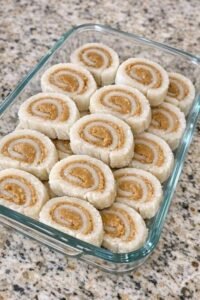
If you are looking for a magical vintage confectionery recipe that transforms a humble root vegetable into a sweet, melt in your mouth dessert, you have come to the right place today. Old fashioned potato candy is a spectacular traditional treat that traces its rich history back to the Great Depression era when clever home cooks used basic kitchen scraps to create beautiful affordable sweets for their families. This unique recipe does not require any baking, candy thermometers, or complicated equipment because it relies entirely on mixing a small amount of warm mashed potato with a large mountain of powdered sugar to form a pliable sweet dough. The dough is then rolled out flat, spread with a rich layer of creamy peanut butter, and rolled up tightly into a beautiful log that is sliced into gorgeous pinwheel discs that look absolutely stunning on a serving platter.
People all over the world are completely falling in love with this nostalgic dessert because it delivers an exceptional contrast of textures and a rich flavor profile that modern processed candies simply cannot match. The absolute magic of this recipe lies in the surprising chemistry of the ingredients, as the natural starch and moisture within the potato instantly liquify the powdered sugar before setting it into a soft, velvety fondant texture. Despite what you might think from the name, the final product holds absolutely no vegetable taste or earthy potato aroma whatsoever, tasting instead like an incredibly rich, sweet vanilla fudge balanced by the salty depth of the peanut butter swirl. It is a fantastic budget friendly way to introduce young children to the joyful science of candy making, giving you a highly reliable recipe that yields massive rewards with just a few simple pantry staples.
You should definitely make this wonderful recipe whenever you want to celebrate a cozy holiday gathering, surprise your grandparents with a wave of sweet nostalgia, or explore vintage American heritage cooking with your family on a rainy weekend afternoon. In times when you want to feel a deep emotional connection to the past, the simple rhythmic process of mashing a hot potato and kneading the snowy sugar dough brings an instant wave of mindfulness and comforting peace to your kitchen routine. While it is certainly an indulgent, high energy treat that should be enjoyed in modest portions, many active fitness enthusiasts love using these small pinwheel squares as a quick source of easily digestible carbohydrates to fuel their bodies right before an intense endurance workout. Whatever your personal motivation might be, presenting a plate of these beautiful historical sweets to your loved ones will spark wonderful conversations and bring pure happiness to your dinner table.
Ingredients You Will Need
To create this delightfully sweet and nostalgic rolled candy, you will need to gather a few basic items from your local grocery store or pantry. The exact amounts and units are carefully listed below to ensure your sugar dough reaches the ideal consistency without becoming too wet or too crumbly during the rolling process.
-
Russet potato peeled and boiled completely soft: 70 grams
-
Powdered confectioners sugar sifted thoroughly: 500 grams
-
Creamy peanut butter at room temperature: 120 grams
-
Pure vanilla extract: 5 milliliters
-
Fine sea salt: 1 pinch
Step by Step Method
Creating this vintage recipe is exceptionally fun and takes less than thirty minutes of active preparation time if you follow these detailed instructions closely. Even if you are a complete beginner who has never made a single piece of fudge before, these clear steps will guide you to a beautiful pinwheel result on your very first try.
First, you need to prepare your potato base by washing, peeling, and cutting a fresh russet potato into small uniform cubes. Place the cubes into a small saucepan, cover them completely with cold tap water, and bring the water to a rolling boil over a medium high flame on your kitchen stove.
Cook the potato cubes for roughly twelve to fifteen minutes until they are incredibly soft and can be easily pierced through the center with a kitchen fork. Drain the hot water out of the saucepan completely, leaving the dry potato cubes inside the warm pan for two minutes so any remaining surface moisture evaporates into the air.
Transfer exactly seventy grams of the hot cooked potato into a medium mixing bowl and mash it thoroughly using a heavy fork or a potato ricer. It is absolutely crucial to mash the vegetable until it is completely smooth and free from any tiny solid lumps, as any leftover pieces will ruin the velvety texture of your final candy.
While the mashed potato is still warm, stir in the five milliliters of pure vanilla extract and the single pinch of fine sea salt using a large wooden spoon. The residual heat from the vegetable will instantly activate the vanilla oils, releasing a magnificent sweet fragrance throughout your workspace.
Now, begin adding your five hundred grams of sifted powdered sugar into the bowl, working in small increments of roughly fifty grams at a time. As you stir the first handful of white sugar into the warm potato, you will notice a fascinating reaction where the thick potato mash suddenly dissolves the dry powder into a very wet, glossy liquid syrup.
Continue adding the remaining powdered sugar batch by batch, stirring vigorously with your wooden spoon as the mixture gradually transforms from a thin syrup into a thick, stiff dough that resembles a heavy white frosting. Once the dough becomes too difficult to stir with a spoon, wash your hands thoroughly and use your fingers to knead the mixture inside the bowl.
Dust your clean kitchen countertop or a large wooden cutting board with a generous handful of extra powdered sugar to prevent sticking. Turn the white sugar dough out onto the surface and knead it gently for one minute until it forms a smooth, pliable ball that handles exactly like playdough or soft fondant.
Use a rolling pin dusted with sugar to stretch the dough ball out slowly into a neat, uniform rectangle that is roughly thirty centimeters long, twenty centimeters wide, and about half a centimeter thick. Take your time during this step to keep the thickness even from the center out to the outer edges.
Open your container of room temperature creamy peanut butter and use a flexible butter knife or a small offset spatula to spread the one hundred twenty grams of peanut butter evenly across the surface of the white sugar rectangle. Make sure to leave a clean one centimeter border along all the outer edges so the filling does not squeeze out later.
Carefully lift the long edge of the sugar rectangle that is closest to you and begin rolling it upward tightly over the peanut butter layer, moving away from your body in a slow, uniform motion. Work gently from one side to the other until you form a long, tight white log containing a beautiful swirl of peanut butter inside.
Wrap the completed candy log tightly in a sheet of clean parchment paper or wax paper to protect its shape, and place it inside your refrigerator to chill for at least two full hours. Chilling is an essential step because it hardens the sugar dough and solidifies the peanut butter filling so you can make clean cuts.
Once the candy log is completely cold and firm to the touch, remove it from the refrigerator and place it onto a cutting board. Use a sharp kitchen knife to slice the log crosswise into beautiful discs that are roughly one centimeter thick, revealing the magnificent spiral pinwheel pattern inside. Serve the pieces chilled or at room temperature.
Why This Recipe Is Special
This recipe stands out from modern confectionery options because it celebrates the beautiful resourcefulness of historical home cooks who could create true culinary joy out of the simplest survival ingredients. The unique science behind how a tiny amount of vegetable moisture can bind a massive mountain of sugar into a sliceable dough is a fascinating phenomenon that modern processed candies cannot replicate.
From a health standpoint, making this vintage treat at home allows you to control your ingredients completely, ensuring you enjoy a sweet snack that is entirely free from artificial preservatives, hydrogenated oils, corn syrup, or chemical dyes. Because it relies on natural starches and real peanut butter, it provides a satisfying burst of immediate energy alongside a small dose of healthy plant proteins and essential fats from the nuts.
Another reason this recipe is so special is its exceptional structural longevity and ease of assembly for beginner cooks. Because it requires absolutely no boiling sugar syrups or precise cooking temperatures, there is zero risk of burning the mixture or creating a rock hard texture, making it an incredibly forgiving and accessible introduction to the beautiful world of traditional candy making.
Extra Tips for Better Taste
If you want to take your vintage candy making experience to an even higher level of gourmet excellence, you can try a few creative adjustments to suit your personal preferences. The moisture content of your potato is the most critical factor, so if you find your dough feels too sticky after adding all the sugar, simply add a few extra tablespoons of powdered sugar until it handles smoothly without sticking to your fingers.
You can also experiment with different types of nut butters to create a more complex flavor profile for your family. Replacing the standard peanut butter with rich almond butter, smoky sunflower seed butter, or a sweet chocolate hazelnut spread introduces a magnificent modern twist that pairs beautifully with the sweet vanilla dough.
For an extra touch of texture contrast, you can sprinkle a handful of finely chopped toasted pecans, walnuts, or crisp bacon bits over the peanut butter layer right before you begin rolling the rectangle into a log. This simple addition introduces a wonderful nutty crunch that breaks up the softness of the sugar fondant beautifully.
If you love a deep dark cocoa flavor profile to cut through the intense sweetness of the sugar, you can sift twenty grams of unsalted Dutch process cocoa powder into your powdered sugar before mixing it with the potato. This creates a rich chocolate dough wrapper that looks absolutely stunning when swirled against the light tan color of the peanut butter filling.
For those who enjoy a beautifully clean presentation when serving guests at a festive party, try wiping your knife blade with a warm damp cloth after every single slice you make through the candy log. Cleaning the blade prevents the peanut butter from smearing across the white sugar edges, ensuring every individual pinwheel looks sharp and picture perfect on your platter.
Final Thoughts
Baking and candy making from scratch should always feel like an uplifting and rewarding journey through history, and this old fashioned potato candy proves that you can create an unforgettable dessert using the most humble staples imaginable. It is a sweet, nostalgic, and deeply satisfying recipe that turns a basic dinner vegetable into an extraordinary conversation piece for beginners and experienced cooks alike. Do not feel discouraged if your first roll looks a little lopsided, as mastering the tight rolling motion takes just a tiny bit of patience and practice. Gather your ingredients, boil your potato with care, and enjoy the beautiful process of sharing a sweet piece of historical comfort with your loved ones today.
Nutrition Details
Here is a clear breakdown of the estimated nutritional content for this classic recipe. The numbers represent the values for one individual pinwheel slice when the entire completed candy log is cut into twenty four equal portions.
| Nutrient Type | Amount Per Serving | Percentage of Daily Value |
| Total Calories | 115 calories | 6 percent |
| Protein Content | 1.5 grams | 3 percent |
| Total Carbohydrates | 22 grams | 7 percent |
| Dietary Fiber | 0.4 grams | 2 percent |
| Total Fat | 3 grams | 4 percent |
| Sugars | 20 grams | 20 percent |
| Potassium | 35 milligrams | 1 percent |
| Sodium | 25 milligrams | 1 percent |
Disclaimer
Please remember that every individual human body is completely unique and personal health results may change depending on your metabolism, daily physical activity, and overall nutritional choices. The health and nutritional values provided in this article are estimates calculated using standard ingredient databases and could vary slightly depending on the specific moisture level of your potato or the brand of peanut butter you select at the market. It is always a wise idea to consult with a qualified primary care physician or a registered dietitian before making significant changes to your personal eating pattern or lifestyle routine.
The Chemistry of Sugar and Potato Starch
To truly appreciate the magic of this no bake candy, it is fascinating to look at the chemical interactions occurring between the potato starches and the fine sugar crystals. When a potato is boiled completely soft, its starch cells expand and absorb water molecules, creating a delicate gelatinized matrix. When you introduce the finely ground powdered sugar to this warm mash, the residual water inside the vegetable immediately dissolves the outer layers of the sugar crystals.
Because powdered sugar contains a tiny percentage of cornstarch to prevent clumping, this starch works in perfect harmony with the potato starches, drawing the moisture inward and creating a stable, flexible emulsion. This unique bonding process allows a tiny piece of potato to absorb several times its own weight in sugar, transforming a wet liquid mixture into a cohesive, sliceable dough that behaves exactly like commercial fondant without requiring any chemical additives.
Selecting the Right Variety of Potato
When you stand in front of the vegetable bins at your local market, you will notice several different varieties of potatoes on display, ranging from waxy red potatoes to thick skinned baking potatoes. For the absolute best results in this candy recipe, you should always select a high starch, low moisture variety like the classic russet potato or an Idaho potato.
Waxy varieties, such as red skin potatoes or yellow Yukon golds, contain a high percentage of natural moisture and a sticky sugar structure that can cause your candy dough to become overly wet, gummy, and difficult to manage. The dry, flaky texture of a cooked russet potato ensures that the starch cells can absorb the powdered sugar cleanly, resulting in a light, melt in your mouth fondant structure that holds its shape beautifully after slicing.
Mastering the Art of the Tight Roll
The visual appeal of old fashioned potato candy relies heavily on achieving a crisp, defined spiral pattern where the white sugar dough and the tan peanut butter are tightly wound together without any large air gaps. To achieve this look, you must use a gentle yet firm technique when rolling your rectangle into a log shape.
If your dough feels slightly fragile or cracks as you begin to lift the edge, you can use the underlying parchment paper to help guide the movement, rolling the paper forward while gently peeling it away from the dough crust as the log takes shape. Keep your fingers moving uniformly along the entire length of the log, applying a light inward pressure to compress the layers securely so that the peanut butter filling fuses completely with the sugar wrapper.
Adapting the Recipe for Holiday Gifting
Once you are comfortable with the foundational rolling steps of this classic recipe, you can easily adapt the presentation to create gorgeous, festive gifts for your friends and neighbors during the winter holiday season. You can add a single drop of red or green gel food coloring to the warm potato mash before adding the sugar, transforming the white dough into a vibrant festive color that contrasts beautifully with the peanut butter swirl.
Once the candy log is fully chilled and sliced into clean pinwheels, you can arrange the pieces inside a decorative metal tin lined with green wax paper or pack them into small clear cellophane bags tied with a bright red ribbon. This handmade touch shows your friends that you invested your time and love into creating a unique piece of culinary history that they can share happily with their families.
Preventing and Fixing Sticky Sugar Dough
A common issue that beginners sometimes encounter when mixing their first batch of potato candy is a dough that feels far too sticky to roll out, clinging to the rolling pin and tearing easily on the countertop. This stickiness occurs if your potato piece was slightly larger than seventy grams or if it retained excess cooking water after boiling in the saucepan.
To prevent this issue, always use a digital kitchen scale to weigh your mashed potato accurately, and make sure to let the cooked cubes steam dry completely before mashing them. If your dough is already sticky, do not panic, simply keep adding extra sifted powdered sugar, one tablespoon at a time, kneading it into the ball until the surface feels dry, smooth, and satin like to the touch, which guarantees a clean and easy rolling experience.
Ideal Temperature Profiles for Serving
Because this traditional confection relies entirely on the structural stability of powdered sugar and room temperature peanut butter, the temperature at which you store and serve the candy will have a major impact on its texture. If the candy is left sitting in a hot kitchen or under direct sunlight, the peanut butter filling will soften significantly, causing the pinwheels to lose their firm structure and stick together on your serving plate.
For the absolute best texture experience, always store your sliced pinwheels inside an airtight container kept in your refrigerator until twenty minutes before you plan to serve them. This brief resting period allows the sugar dough to soften slightly into a velvety fudge consistency while keeping the peanut butter swirl sufficiently cool and firm, ensuring your guests enjoy a perfect clean bite every single time.