 Skip to content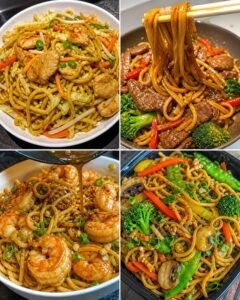
Chinese noodles are a wonderful and diverse world of food that brings comfort and joy to millions of people every single day. This collection of four different recipes is all about exploring the rich textures and bold flavors of traditional Chinese cooking right in your own kitchen at home. We will look at how to make classic Lo Mein and spicy Dan Dan style noodles and a refreshing cold sesame noodle dish and a hearty ginger scallion noodle bowl. Each recipe is designed to be simple and easy for beginners so you do not need to be a professional chef to get great results. These dishes represent the heart of Chinese street food and home cooking because they use basic ingredients to create deep and complex tastes. By learning these four styles you will have a solid foundation for making many other Asian inspired meals for your friends and family. It is a beautiful journey into the art of the noodle that focuses on fresh vegetables and savory sauces and the perfect chewy bite.
People absolutely love these recipes because they are incredibly satisfying and offer a huge variety of flavors in just one meal. There is something magical about the way a long noodle carries a savory sauce and coats your palate with salt and spice and a hint of sweetness. Chinese noodles are famous for their versatility because you can easily swap out proteins or add more greens based on what you have in your fridge. Many people enjoy the quick cooking time which makes these dishes a favorite for busy weeknights when you want a high quality meal without spending hours over a hot stove. The combination of textures like crunchy bok choy and soft egg noodles and crispy garlic bits creates a dining experience that is both fun and deeply rewarding. It is the kind of food that makes everyone smile because it feels like a treat while still being made with wholesome and real ingredients. These recipes have become global favorites because they speak a universal language of deliciousness that everyone can understand and appreciate.
You should consider making these noodle dishes whenever you are craving a big bowl of comfort that makes you feel warm and energized. They are the perfect choice for a fitness enthusiast because noodles provide the necessary carbohydrates for energy while the added vegetables and lean meats offer essential nutrients. Making these at home also allows you to control the amount of oil and salt which is great for staying on track with your wellness goals. Emotionally there is a sense of calm that comes from stir frying a fresh batch of noodles and watching the steam rise as the aromas fill your house. It is a great way to bring people together for a casual dinner party or a cozy movie night where everyone can customize their own bowl. Whether you are celebrating a special occasion or just want to brighten up a regular Tuesday these four noodle recipes will bring a touch of excitement to your table. They taste like a vacation in a bowl and provide a wonderful way to expand your culinary horizons while staying within your budget.
Ingredients You Will Need
To prepare these four distinct styles of Chinese noodles you will need a variety of fresh produce and some key pantry staples from the international aisle.
For the Lo Mein Noodle Base
-
One pound of fresh egg noodles or dried lo mein noodles
-
Two cups of sliced cabbage
-
One cup of shredded carrots
-
Three green onions sliced long
-
Four tablespoons of soy sauce
-
One tablespoon of toasted sesame oil
-
One teaspoon of white sugar
For the Spicy Peanut Style
-
Twelve ounces of thin wheat noodles
-
Half a cup of creamy peanut butter
-
Two tablespoons of chili oil with flakes
-
Three tablespoons of black vinegar
-
One tablespoon of minced ginger
-
Half a cup of crushed roasted peanuts
For the Ginger Scallion Bowls
-
One pound of wide flat rice noodles
-
Two bunches of green onions finely chopped
-
Four tablespoons of fresh ginger grated
-
Half a cup of neutral vegetable oil
-
Two tablespoons of light soy sauce
-
One teaspoon of sea salt
For the Cold Sesame Noodles
-
Ten ounces of ramen or buckwheat noodles
-
Four tablespoons of tahini or toasted sesame paste
-
Two tablespoons of honey
-
One large cucumber cut into matchsticks
-
One tablespoon of rice wine vinegar
-
One teaspoon of toasted sesame seeds
Step by Step Method
Following these steps will help you create a feast of four different noodle styles that are all unique and delicious.
First you must cook your noodles according to the package instructions because every type of noodle has a different boiling time. For the egg noodles and wheat noodles you should aim for a texture that is still slightly firm when you bite into it. Once the noodles are cooked drain them in a colander and rinse them with cool water to stop the cooking process and prevent them from sticking together. If you are using rice noodles you might only need to soak them in hot water for a few minutes until they are soft.
To make the Classic Lo Mein heat a large skillet or a wok over high heat and add a splash of vegetable oil. Toss in the cabbage and carrots and stir fry them for about two minutes until they are slightly soft but still have a crunch. Add the cooked egg noodles to the pan along with the soy sauce and sesame oil and sugar. Use tongs to toss everything together for another three minutes so the noodles get a little bit of color from the pan. Garnish with the green onions and serve hot.
For the Spicy Peanut Style noodles you will start by making the sauce in a medium bowl. Whisk together the peanut butter and chili oil and black vinegar and minced ginger until the mixture is smooth and creamy. If the sauce is too thick you can add a spoonful of the hot noodle cooking water to thin it out. Pour this rich sauce over your warm wheat noodles and toss well to ensure every strand is coated. Sprinkle the crushed peanuts on top for a wonderful crunch.
The Ginger Scallion noodles are all about the aromatic oil which is very simple to prepare. Place the chopped green onions and grated ginger and salt in a heat proof bowl. Heat the half cup of neutral oil in a small pot until it is very hot but not smoking. Carefully pour the hot oil over the ginger and onions and listen to it sizzle as the flavors release. Stir in the light soy sauce and then pour this fragrant mixture over your cooked wide rice noodles and toss gently.
Finally prepare the Cold Sesame Noodles by whisking the tahini and honey and rice wine vinegar together in a bowl until combined. Toss your chilled noodles in this sweet and nutty sauce and then top the bowl with the fresh cucumber matchsticks. Sprinkle the toasted sesame seeds over the top for a beautiful presentation. This dish is best served cold or at room temperature which makes it a great option for a summer lunch.
Why This Recipe Is Special
This collection of recipes is special because it offers a complete look at the different flavor profiles found in Chinese cuisine ranging from sweet and nutty to spicy and aromatic. You get the benefit of eating a wide range of vegetables like cabbage and carrots and cucumbers which provide fiber and essential antioxidants for your body. Using ginger and garlic in these dishes also helps with digestion and supports a healthy immune system while giving the food a massive boost of natural flavor.
The taste of these noodles is far superior to any takeout because you are using fresh oils and high quality soy sauces without any added preservatives. You can feel the love and effort that goes into making the ginger scallion oil from scratch or whisking the peanut sauce until it is perfectly smooth. It is a special way to eat because it engages all your senses from the bright colors of the vegetables to the savory smells of the toasted sesame and the satisfying chew of the perfectly cooked noodles.
Extra Tips for Better Taste
To get the most flavor out of your noodles you should always try to use fresh ginger and garlic instead of the bottled versions. The oils in fresh aromatics are much stronger and will give your sauces a bright and zesty kick that makes a huge difference. If you want a bit of extra protein you can add grilled chicken or sautéed shrimp or even fried tofu cubes to any of these four bowls. Just cook your protein separately and toss it in at the very end so it stays juicy and tender.
Another great tip is to toast your sesame seeds in a dry pan for a minute before using them as a garnish. This small step releases the natural oils in the seeds and makes them smell amazing and taste much richer. For the spicy noodles you can adjust the amount of chili oil to fit your own heat tolerance because some chili oils are much hotter than others. If you like a more sour flavor you can always add an extra squeeze of fresh lime juice or a drop more vinegar right before eating to brighten up the heavy sauces.
Final Thoughts
Exploring the world of Chinese noodles is an adventure that never ends because there are always new combinations to try and enjoy. These four recipes are a wonderful starting point for anyone who wants to bring the authentic taste of Asian cooking into their own home. We hope that these bowls of noodles bring you as much happiness and satisfaction as they have brought to people for centuries. Cooking should be an act of joy and sharing so make sure to serve these with a big smile and enjoy the wonderful flavors you have created. Thank you for following along and happy noodle making.
Nutrition Details
This table shows the average nutrition for one serving of noodles across the four different styles.
Disclaimer
Please be aware that everyone has a different body and different health requirements so your personal results and nutritional needs may vary. These recipes are intended for general culinary enjoyment and are not a substitute for professional medical or nutritional advice. If you have food allergies or specific dietary restrictions please consult with a healthcare professional before trying new ingredients or cooking methods. The nutritional information provided is an estimate based on common ingredients and serving sizes and may change depending on the specific brands you choose to use in your kitchen.