 Skip to content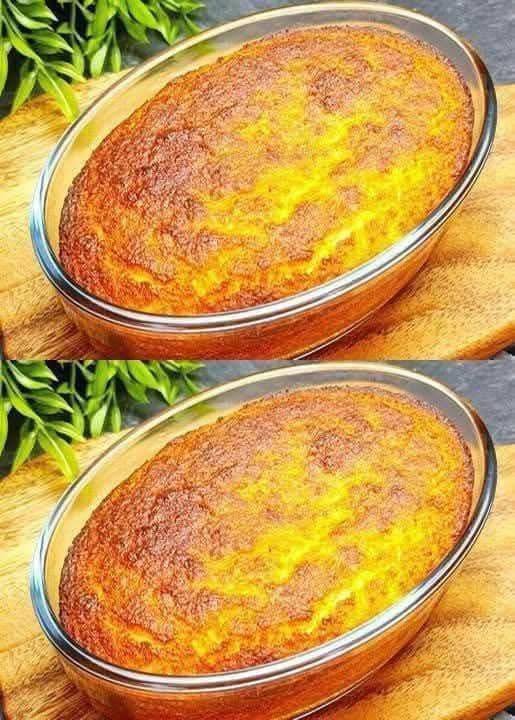
Introduction
Many people love cake, but they often worry about flour and sugar. Traditional cakes usually contain white flour and a lot of sugar, which may not be the best choice for people who want to eat healthier food. This coconut cake recipe is different because it uses simple ingredients and avoids both flour and refined sugar. The result is a soft, rich, and naturally sweet cake that feels light but still tastes amazing. Even if you are new to baking, you can easily make this cake at home with basic ingredients.
People love this recipe because it gives the joy of eating cake without the heavy feeling that often comes after eating sugary desserts. Coconut brings natural sweetness and a soft texture that makes every bite enjoyable. Eggs give the cake a fluffy structure, while natural sweet ingredients help create a balanced flavor. The cake is moist, slightly creamy, and full of coconut aroma. Many people also enjoy it because it fits well into a healthy lifestyle and can be part of a balanced diet.
This cake is perfect for many moments in life. You can prepare it when you want a quick dessert for family time. It is also great when you want something sweet but still want to stay mindful about what you eat. Some people make this cake for breakfast with tea or coffee, while others serve it as a light dessert after dinner. If you enjoy simple recipes that bring comfort and flavor together, this coconut cake will become one of your favorite homemade treats.
Another reason to make this cake is its simplicity. Many baking recipes require long ingredient lists and complicated steps. This recipe keeps things easy so that beginners feel confident in the kitchen. With just a few ingredients and clear steps, you can create a cake that looks beautiful and tastes wonderful. Even if this is your first time baking, you can follow the method and enjoy success.
The natural taste of coconut makes this cake special. Coconut has a warm and comforting flavor that reminds many people of tropical foods and homemade desserts. When it bakes, the kitchen fills with a lovely aroma that makes everyone curious about what is cooking. The texture becomes soft and slightly creamy, making each bite feel satisfying.
If you are trying to reduce flour or sugar in your meals, this recipe is a great option. It proves that healthy style desserts can still be delicious. Instead of feeling like a diet food, this cake feels like a treat that you can enjoy without guilt. It is simple, wholesome, and full of natural flavor.
Ingredients You Will Need
Here are the ingredients required for this simple coconut cake recipe.
2 cups unsweetened shredded coconut
4 large eggs
1 half cup coconut milk
1 third cup honey or pure maple syrup for natural sweetness
1 teaspoon vanilla extract
1 teaspoon baking powder
A small pinch of salt
2 tablespoons coconut oil, melted
Optional topping
2 tablespoons shredded coconut for garnish
Fresh berries or sliced fruit for serving
Step by Step Method
Step 1
Start by preparing your baking pan. Choose a medium cake pan and lightly grease it with coconut oil. This prevents the cake from sticking and makes it easier to remove after baking. Preheat your oven to 180 degrees Celsius so it is ready when your batter is prepared.
Step 2
Take a large mixing bowl and crack the eggs into it. Use a whisk or fork to beat the eggs well. Continue mixing until the eggs look smooth and slightly fluffy. This step helps give the cake a light texture.
Step 3
Add the honey or maple syrup into the eggs. Mix slowly until both ingredients blend together. The mixture should become slightly thicker and smooth. This natural sweetener replaces refined sugar and gives the cake a gentle sweetness.
Step 4
Pour the coconut milk into the bowl. Coconut milk adds moisture and a creamy taste. Stir well so that the mixture becomes smooth and even.
Step 5
Add vanilla extract and melted coconut oil to the bowl. Mix again until everything is combined. These ingredients help improve the flavor and aroma of the cake.
Step 6
Now add the shredded coconut, baking powder, and a small pinch of salt. Use a spoon or spatula to gently mix the batter. Make sure all ingredients are evenly combined so the cake bakes properly.
Step 7
Once the batter is ready, pour it into the prepared cake pan. Spread the mixture evenly with a spoon so the surface looks smooth.
Step 8
Place the cake pan in the preheated oven. Bake the cake for about thirty minutes to thirty five minutes. During baking, the cake will rise slightly and the top will become golden.
Step 9
Check if the cake is ready by inserting a toothpick in the center. If it comes out clean, the cake is fully baked. If the toothpick has wet batter on it, bake the cake for a few more minutes.
Step 10
Remove the cake from the oven and allow it to cool for about fifteen minutes. Cooling helps the cake firm up and makes it easier to slice.
Step 11
Once the cake has cooled slightly, remove it from the pan. Sprinkle extra shredded coconut on top if you like. You can also add fresh fruit to make it look colorful and fresh.
Step 12
Slice the cake into pieces and serve. It tastes wonderful with tea, coffee, or a glass of milk.
Why This Recipe Is Special
This coconut cake recipe is special because it avoids two common ingredients found in many desserts. There is no flour and no refined sugar. Many people today prefer recipes that use simple and natural ingredients, and this cake fits that idea perfectly.
Coconut itself provides a rich texture that replaces the need for flour. It keeps the cake moist and slightly dense in a pleasant way. Eggs help hold the cake together and give it a light structure. Because of this combination, the cake feels satisfying but not heavy.
Another benefit of this recipe is that it uses natural sweetness from honey or maple syrup. These ingredients add flavor without the sharp sweetness of refined sugar. The result is a balanced taste that many people enjoy.
Coconut also contains healthy fats that provide energy. While it is still a dessert and should be enjoyed in moderation, it can be a better option than many traditional cakes filled with sugar and processed ingredients.
This recipe is also gluten free, which makes it helpful for people who avoid gluten in their diet. Even those who do not follow a gluten free lifestyle often enjoy the soft texture and warm coconut flavor.
Finally, the recipe is very beginner friendly. You do not need special baking skills or equipment. Simple steps and common ingredients make it easy for anyone to try.
Extra Tips for Better Taste
Use fresh and good quality shredded coconut. Fresh coconut has a stronger flavor and improves the overall taste of the cake.
Do not over mix the batter. Gentle mixing keeps the cake soft and light.
For a richer flavor, you can lightly toast some shredded coconut and sprinkle it on top before serving.
A small amount of lemon zest can add a bright and fresh flavor to the cake.
Serve the cake slightly warm with a spoon of yogurt or cream for a creamy dessert experience.
If you like chocolate flavor, add a few dark chocolate chips into the batter. Coconut and chocolate taste wonderful together.
You can also add crushed nuts such as almonds or walnuts for a little crunch.
Store the cake in an airtight container to keep it moist. It can stay fresh in the refrigerator for about three days.
Final Thoughts
This no flour and no sugar coconut cake proves that simple ingredients can create a beautiful dessert. It is soft, flavorful, and easy to make even for beginners. The recipe uses natural sweetness and wholesome ingredients that bring both comfort and taste to your table.
Whether you prepare it for family tea time, a weekend treat, or a light dessert after dinner, this coconut cake is sure to bring smiles. The warm aroma, gentle sweetness, and soft texture make every slice enjoyable. Once you try this recipe, you may find yourself making it again and again.
Nutrition Details
Estimated nutrition for the entire cake and per serving. Values may vary depending on ingredients used.
| Nutrition | Whole Cake | Per Serving |
|---|---|---|
| Calories | 1400 kcal | 175 kcal |
| Protein | 32 g | 4 g |
| Fat | 110 g | 14 g |
| Carbohydrates | 80 g | 10 g |
| Natural Sugars | 50 g | 6 g |
| Fiber | 16 g | 2 g |
Serving size calculation is based on eight slices.