 Skip to content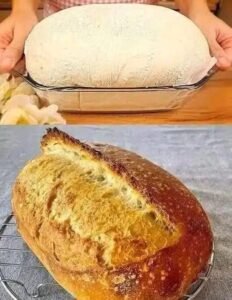
Introduction
Multigrain sourdough bread is a warm, hearty, and healthy bread that many people around the world enjoy. This bread is made with natural sourdough starter and a mix of different grains and flours. The result is a loaf that has a deep flavor, a soft inside, and a slightly crispy crust. The natural fermentation process gives this bread its unique taste and texture. It also helps improve digestion and adds a mild tangy flavor that many bread lovers appreciate. When you bake multigrain sourdough bread at home, your kitchen fills with a comforting aroma that makes the experience even more special.
Many people love multigrain sourdough bread because it feels wholesome and satisfying. The combination of grains like wheat, oats, and seeds adds both flavor and nutrition. Every bite has a slightly nutty taste and a pleasant chewy texture. Unlike many store bought breads, homemade sourdough bread does not rely on commercial yeast or unnecessary additives. Instead, it uses a natural starter that slowly ferments the dough. This slow process helps develop rich flavors and creates a bread that is easier for many people to digest. Because of this, many home bakers enjoy learning how to make their own sourdough bread.
This recipe is perfect for anyone who wants a healthy and delicious homemade bread. You can make it for breakfast toast, sandwiches, or as a side with soups and salads. It is also a wonderful choice for people who enjoy baking as a relaxing hobby. Baking bread can feel very rewarding because you watch simple ingredients transform into something amazing. Whether you are cooking for your family, preparing meals for the week, or simply enjoying a peaceful baking day, multigrain sourdough bread is a wonderful recipe to try.
Ingredients You Will Need
1 cup active sourdough starter
1 and one half cups warm water
2 cups whole wheat flour
1 cup bread flour
Half cup rolled oats
Two tablespoons flax seeds
Two tablespoons sunflower seeds
Two tablespoons pumpkin seeds
One tablespoon honey or maple syrup
One and one half teaspoons salt
Two tablespoons olive oil
Optional topping
One tablespoon mixed seeds for topping
A little extra flour for dusting
Step by Step Method
Step One Prepare the Dough
Start by placing the active sourdough starter in a large mixing bowl. Add the warm water and mix gently with a spoon until the starter dissolves in the water. This creates a smooth base for the dough.
Next add the honey or maple syrup and olive oil. Stir the mixture so the ingredients blend well together. This step helps add a light sweetness and moisture to the bread.
Step Two Add the Dry Ingredients
Add the whole wheat flour and bread flour into the bowl. Sprinkle in the salt, rolled oats, flax seeds, sunflower seeds, and pumpkin seeds. Mix everything with a wooden spoon or your hands until a soft dough forms.
The dough will feel slightly sticky at this stage, which is normal for sourdough bread. If the dough feels too dry you can add one or two teaspoons of water. If it feels too wet you can sprinkle a small amount of flour.
Step Three Knead the Dough
Place the dough onto a lightly floured surface. Knead it gently for about eight to ten minutes. Push the dough forward with your palms, fold it back, and repeat.
Kneading helps develop the gluten in the flour, which gives bread its structure. The dough should become smooth, elastic, and slightly soft when it is ready.
Step Four First Rest Period
Place the dough into a lightly oiled bowl. Cover the bowl with a clean kitchen towel or plastic wrap. Leave the dough in a warm place for about four to six hours.
During this time the sourdough starter will slowly ferment the dough. You may notice small bubbles forming and the dough becoming larger. This slow fermentation creates the deep flavor of sourdough bread.
Step Five Shape the Dough
After the resting time, gently remove the dough from the bowl. Place it on a lightly floured surface. Shape it into a round loaf by folding the edges of the dough toward the center.
Turn the dough over so the smooth side faces upward. Use your hands to shape it into a neat round loaf.
Step Six Second Rest Period
Place the shaped dough onto a baking tray lined with baking paper or into a bread proofing basket if you have one. Cover it again with a cloth.
Allow the dough to rest for another one to two hours. This step helps the bread become lighter and gives it a better texture.
Step Seven Prepare for Baking
Preheat your oven to two hundred twenty degrees Celsius. If you like a crunchy crust you can place a small oven safe pan with water in the oven. The steam helps create a crisp crust.
Before baking, sprinkle some mixed seeds on top of the loaf. You can also lightly dust the bread with flour and make a few shallow cuts on the surface using a sharp knife.
Step Eight Bake the Bread
Place the loaf in the oven and bake for about thirty five to forty minutes. The bread should develop a golden brown crust.
You will know the bread is ready when it sounds hollow when tapped on the bottom.
Step Nine Cool Before Slicing
Remove the bread from the oven and place it on a cooling rack. Allow it to cool completely before slicing. This step is important because the bread continues to set inside as it cools.
Once cooled, slice and enjoy your homemade multigrain sourdough bread.
Why This Recipe Is Special
Multigrain sourdough bread is special because it combines traditional baking methods with nutritious ingredients. The sourdough fermentation process naturally develops flavor without the need for artificial additives.
The use of multiple grains and seeds adds fiber, vitamins, and minerals to the bread. Whole wheat flour provides complex carbohydrates that give long lasting energy. Seeds like flax and sunflower provide healthy fats and nutrients.
Another reason this bread is special is its taste and texture. The crust becomes slightly crisp while the inside stays soft and chewy. The grains add a mild nutty flavor that makes every bite satisfying.
Many people also find sourdough bread easier to digest compared to regular bread. The natural fermentation helps break down certain compounds in the flour, which can make the bread gentler on the stomach.
Extra Tips for Better Taste
Use an active and bubbly sourdough starter. A strong starter helps the bread rise better and creates a richer flavor.
Try soaking the oats and seeds in a small amount of warm water for ten minutes before adding them to the dough. This helps soften them and improves the bread texture.
Allow the dough to ferment slowly if possible. A longer fermentation time can deepen the flavor of the bread.
You can experiment with other grains like millet, quinoa, or sesame seeds to add variety.
For a more rustic look, bake the bread in a heavy pot with a lid inside the oven. This method traps steam and gives the loaf a bakery style crust.
Final Thoughts
Baking multigrain sourdough bread at home can be a very enjoyable and rewarding experience. With simple ingredients and a little patience, you can create a loaf that is full of flavor, nutrition, and warmth. The process of mixing, kneading, and watching the dough rise can feel relaxing and creative. Once you taste the fresh bread straight from your kitchen, you may find it hard to go back to store bought bread. This recipe is perfect for beginners who want to learn sourdough baking while also enjoying a healthy homemade loaf.
Nutrition Details
Estimated values per loaf and per serving. This bread can be divided into ten slices.
| Nutrient | Whole Recipe | Per Slice |
|---|---|---|
| Calories | 1600 kcal | 160 kcal |
| Protein | 52 g | 5.2 g |
| Carbohydrates | 280 g | 28 g |
| Fiber | 40 g | 4 g |
| Fat | 36 g | 3.6 g |
| Sugar | 10 g | 1 g |
| Sodium | 2100 mg | 210 mg |
These values are approximate and may vary depending on the ingredients used.