 Skip to content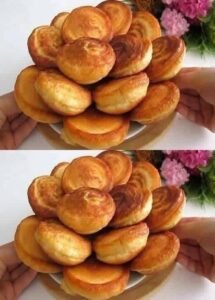
Introduction
Fried yeast buns are soft bread rolls that are made from simple yeast dough and cooked in hot oil until golden and fluffy. They are crispy on the outside and light and airy on the inside. These buns are popular in many cultures and are often enjoyed as a sweet or savory snack. This recipe focuses on making fried yeast buns at home using easy ingredients that most people already have in their kitchen. You do not need fancy tools or baking skills. If you can mix and knead dough, you can make these buns successfully.
People love fried yeast buns because of their comfort and warmth. The smell of yeast dough frying in oil fills the kitchen with a cozy feeling that reminds many people of childhood memories. These buns are soft, filling, and satisfying. You can eat them plain, sprinkle them with sugar, or fill them with jam, cream, or cheese. They taste amazing when fresh and warm. Many people enjoy them with tea or coffee as a relaxing treat during the day.
This recipe is perfect for times when you want something homemade and comforting. Fried yeast buns are great for family breakfasts, weekend snacks, special gatherings, or moments when you crave something soft and warm. They are also helpful when you want a budget friendly recipe that feeds many people. The dough is simple and flexible, so you can shape it in different ways. Making these buns can also be relaxing and joyful, especially when you watch them puff up beautifully in the oil.
Ingredients You Will Need
All purpose flour
Four cups
Warm milk
One and one quarter cups
Warm water
One quarter cup
Active dry yeast
Two teaspoons
Sugar
Three tablespoons
Salt
One teaspoon
Egg
One large
Butter
Three tablespoons melted
Cooking oil
Enough for frying
Optional for serving
Powdered sugar
Jam
Honey
Step by Step Method
First start by activating the yeast. Take a small bowl and add the warm water and one teaspoon of sugar. Sprinkle the yeast on top and gently stir. Let this mixture sit for about ten minutes. You will see bubbles and foam on the surface. This means the yeast is active and ready to use. If nothing happens, the yeast may be old and you should try again with fresh yeast.
In a large mixing bowl add the flour, remaining sugar, and salt. Mix everything together using a spoon or your hand. Make a small space in the center of the flour mixture. Add the yeast mixture, warm milk, egg, and melted butter into this space. Slowly mix everything together until a soft dough forms.
Once the dough comes together, transfer it onto a clean surface. Start kneading the dough using your hands. Push the dough away from you, fold it back, and repeat. Knead for about ten minutes until the dough becomes smooth and elastic. If the dough feels sticky, sprinkle a little flour but do not add too much.
After kneading, shape the dough into a ball. Place it into a lightly greased bowl. Cover the bowl with a clean cloth. Keep it in a warm place for about one hour. The dough should double in size during this time. This resting period allows the yeast to work and gives the buns their soft texture.
When the dough has risen, gently punch it down to remove excess air. Place it back onto the surface and roll it slightly. Divide the dough into equal sized pieces. You can make small buns or larger ones depending on your preference. Shape each piece into a smooth ball.
Place the shaped buns on a tray and cover them again with a cloth. Let them rest for another fifteen to twenty minutes. This second rest helps the buns become lighter and fluffier during frying.
Heat oil in a deep pan over medium heat. The oil should be hot but not smoking. You can test the oil by dropping a small piece of dough into it. If it rises slowly and bubbles form around it, the oil is ready.
Carefully place a few buns into the hot oil. Do not overcrowd the pan. Fry the buns for about two to three minutes on each side. Turn them gently using a spoon or tongs. They should become golden brown on all sides.
Once fried, remove the buns from the oil and place them on a plate lined with paper towels. This helps remove excess oil. Repeat the frying process with the remaining buns.
Serve the fried yeast buns warm. You can dust them with powdered sugar or enjoy them plain. They taste best when fresh and soft.
Why This Recipe Is Special
This fried yeast buns recipe is special because it uses simple ingredients and clear steps that anyone can follow. Even beginners who have never worked with yeast before can succeed. The dough is forgiving and easy to handle. The frying method gives the buns a crispy outer layer while keeping the inside soft and fluffy.
These buns are also very versatile. You can make them sweet by adding sugar toppings or savory by filling them with cheese or herbs. They are filling and satisfying, making them a good choice for breakfast or snacks.
From a comfort point of view, fried yeast buns bring warmth and happiness. They are homemade, fresh, and made with care. While they are a treat food, they also provide energy from carbohydrates and protein from milk and eggs. When eaten in moderation, they can be part of a balanced lifestyle.
Extra Tips for Better Taste
Use fresh yeast for the best rise and soft texture.
Make sure the milk and water are warm but not hot. Hot liquid can kill the yeast.
Do not rush the rising time. Letting the dough rise properly improves flavor and softness.
Fry the buns on medium heat to avoid burning the outside while the inside stays raw.
Add vanilla or cinnamon to the dough for a sweet flavor twist.
Serve with fruit jam, honey, or chocolate spread for variety.
Final Thoughts
Fried yeast buns are a beautiful example of how simple ingredients can create something comforting and delicious. This recipe is perfect for beginners and experienced cooks alike. The process is enjoyable, and the result is soft, golden buns that bring joy with every bite. Whether you make them for family, guests, or yourself, these buns are sure to become a favorite in your home. Take your time, enjoy the process, and most importantly enjoy the taste.
Nutrition Details
Approximate values per serving
Serving size one bun
Calories
Two hundred
Carbohydrates
Thirty grams
Protein
Five grams
Fat
Seven grams
Sugar
Five grams
Sodium
One hundred fifty milligrams
These values are estimates and may change based on ingredients and portion size.