 Skip to content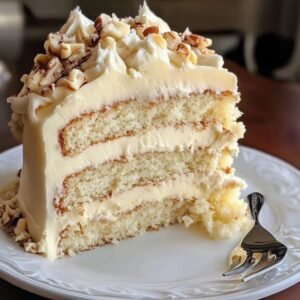
If you are searching for an incredible sweet baking alternative or a restaurant quality centerpiece that combines a beautifully golden exterior with a rich creamy filling you have come to the right place today. This special guide is all about creating a comforting dish of vanilla layer cake that utilizes a classic creaming technique to build a spectacular treat for your entire household. It completely transforms standard pantry items and premium dairy from your local market into a perfectly fluffy dessert masterpiece that melts in your mouth with every single bite. As the sweet layers slowly bake inside your kitchen oven the rich internal crumb rises beautifully around the velvety vanilla bean pockets creating an amazing fusion of light texture and decadent satisfaction. This specific recipe turns a basic weeknight sweet craving into a gorgeous gourmet creation that looks exactly like a high end bistro dish but can be created easily by anyone working in a home kitchen.
People all over the world are absolutely falling in love with this traditional cake style because it delivers an exciting contrast of textures and a deeply satisfying flavor profile that basic boxed mixes or single layer sponge cakes simply cannot match. Instead of settling for a dry overcooked treat or a heavy one dimensional pastry crafting your own double layer cake allows you to control the exact distribution of rich buttercream frosting and deep aromatic vanilla matrix layers ensuring you get a sturdy structure that holds a generous pocket of toppings perfectly without falling apart. The clever combination of a soft tender crumb a touch of creamy sweetness and a luscious buttery matrix ensures a perfect balance where every single spoonful feels like an authentic country cafe celebration. It is a fantastic way to elevate your evening dining routine giving you a highly reliable kitchen strategy that satisfies hungry family members or impresses party guests simultaneously using simple wholesome ingredients.
You should definitely make this wonderful recipe whenever you want to simplify your weekend entertaining surprise your loved ones for a special milestone celebration at home or reward your body with a comforting treat after a long week. On warm afternoons or relaxed weekends when you want your kitchen to feel extra inviting the simple rhythmic process of measuring the flour whipping the buttercream and carefully stacking the golden layers brings an instant wave of creativity and happiness to your routine. Many home cooks adore preparing this dish because it looks incredibly intricate and sophisticated yet requires standard kitchen tools which helps preserve your energy efficiently. Whatever your personal motivation might be sliding a beautifully layered glass stand of this rich dessert onto your dining table will spark joyful conversation and bring pure happiness to your meal.
Ingredients You Will Need
To create this delightfully rich and satisfying dessert dish you will need to gather a few basic items from your local grocery store. The exact measurements are carefully listed below to ensure your fluffy pockets hold together beautifully and bake into a perfectly uniform texture.
For the Vanilla Cake Layers
-
Cake flour sifted thoroughly: 360 grams
-
Baking powder: 1 tablespoon
-
Fine sea salt: 1 teaspoon
-
Unsalted butter softened to room temperature: 225 grams
-
Granulated white sugar: 400 grams
-
Large farm fresh eggs at room temperature: 4 pieces
-
Pure vanilla extract or vanilla bean paste: 1 tablespoon
-
Whole milk at room temperature: 240 milliliters
-
Vegetable oil: 60 milliliters
For the Creamy Vanilla Buttercream
-
Unsalted butter softened completely: 450 grams
-
Powdered confectioners sugar sifted: 500 grams
-
Heavy whipping cream: 45 milliliters
-
Pure vanilla extract: 2 teaspoons
-
Pinch of fine salt: 1 gram
Step by Step Method
Creating this classic decadent baking recipe is exceptionally easy and highly rewarding if you follow these detailed instructions closely. Even if you are a complete beginner who has never assembled a multi layer cake before these clear steps will guide you to a flawless ultra creamy result on your very first try.
Step 1: Preheating and Pan Preparation
Walk over to your kitchen oven and turn the dial to preheat the appliance to 175 degrees Celsius. Take two round twenty centimeter cake pans brush the inside surfaces lightly with a small amount of vegetable oil and line the bottom bases with nonstick parchment paper circles to ensure your baked layers slide out easily later.
Step 2: Sifting the Dry Components
In a large ceramic mixing bowl combine your sifted cake flour baking powder and fine sea salt. Use a wire whisk to stir the dry elements together thoroughly for 1 minute ensuring the leavening agents are distributed evenly throughout the flour matrix.
Step 3: Creaming the Softened Butter
Place your softened unsalted butter and granulated white sugar into another large mixing bowl. Use an electric hand mixer or a stand mixer fitted with a paddle attachment to beat the mixture vigorously on high speed for 4 to 5 minutes until the texture becomes completely smooth fluffy pale white and free of any stubborn lumps.
Step 4: Incorporating the Fresh Eggs
Add your room temperature farm fresh eggs to the creamed butter one at a time beating thoroughly after each addition for about thirty seconds. This slow process allows the fats and proteins to bond nicely ensuring your structure remains sturdy.
Step 5: Emulsifying the Liquid Flavorings
Pour your pure vanilla extract and vegetable oil slowly into the beaten mixture. Mix on medium speed for 1 minute until the liquids emulsify completely preventing the delicate dessert mixture from separating before it bakes.
Step 6: Alternating the Batter Mix
With your mixer set to low speed add one third of your dry flour mixture to the wet base followed by half of your whole milk. Repeat this alternating pattern adding another third of flour the remaining milk and finishing with the final portion of flour. Stir gently with a silicone spatula just until the last streaks of flour disappear to avoid overmixing.
Step 7: Baking the Layers
Divide your smooth glossy cake batter equally between the two prepared round pans. Slide the pans flat onto the center rack of your preheated oven and bake undisturbed for 28 to 32 minutes. You will know they are done when the surfaces turn a delicate golden brown and a toothpick inserted into the center comes out clean. Let them cool completely.
Step 8: Whipping the Buttercream Frosting
While the cakes cool place your remaining softened butter into a clean bowl and beat on medium speed for 3 minutes until smooth. Slowly add your powdered confectioners sugar one cup at a time alternating with small splashes of heavy whipping cream. Pour in your vanilla extract and a pinch of salt then whip on high speed for 4 minutes until a cloud like fluffy texture forms.
Step 9: Stacking and Filling
Place your first cooled vanilla cake layer flat on a serving plate or cardboard round. Spoon a generous pocket of the whipped buttercream frosting directly onto the center and spread it smoothly to the edges using an offset spatula. Gently press the second cake layer right on top ensuring it sits perfectly level.
Step 10: The Grand Frosting Finish
Spread the remaining vanilla buttercream smoothly across the top and down the sides of the stacked cake. Use a bench scraper or the flat edge of a spatula to smooth the exterior coating into a clean polished presentation. Slice gently with a sharp knife and serve with pure happiness.
Why This Recipe Is Special
This recipe stands out from traditional bakery preparations because it celebrates a beautiful harmony of rich flavors combined with an exceptional contrast of textures. The clever technique of utilizing both butter for deep flavor and vegetable oil for maximum moisture retention ensures that the interior crumb remains incredibly tender and soft on the inside preventing it from drying out while the exterior retains a gorgeous structure.
From an entertaining standpoint choosing to make this comforting dessert alternative at home allows you to enjoy a treat packed with authentic premium ingredients. It provides a luxurious dining experience that feels incredibly indulgent while avoiding the excessive artificial preservatives extra sodium and shelf stabilizing chemical additives often found in commercial grocery store boxed cakes.
Another reason this recipe is so special is its exceptional visual appeal and capability to make home cooked food feel completely upscale. The striking presentation of a pristine snow white buttercream coating surrounding a golden tender crumb creates a gorgeous palette that instantly stimulates the appetite turning an ordinary family gathering into a high end country cafe celebration.
Extra Tips for Better Taste
If you want to take your homemade culinary experience to an even higher level of gourmet excellence you can try a few creative adjustments to suit your personal preferences. Selecting the right flour type is highly important which is why using genuine cake flour is so critical because it contains a lower protein content than standard all purpose flour yielding an incredibly delicate melt in your mouth texture.
You can also experiment with your flavor choices to create a much more complex and robust profile for your family or guests. Folding a handful of fresh lemon zest minced vanilla bean pod flecks or a tablespoon of malted milk powder directly into the batter introduces a magnificent layer of depth that pairs spectacularly with the sweet dairy elements adding an exciting variety to every single bite.
If you struggle with your cake turning out too dense or crumbly ensure that your eggs and milk are strictly at room temperature before mixing. Cold ingredients will cause the warm creamed butter to seize up instantly destroying the delicate air pockets you worked hard to build during the creaming stage and leading to an uneven bake.
For those who want to achieve an extra touch of luxury try brushing your baked cake layers with a simple syrup infused with vanilla bean right before applying the buttercream frosting. This acts as a powerful moisture shield that locks in the softness and adds a dramatic professional shine to the interior cross section making your cake stay fresh and pristine for days.
Final Thoughts
Baking your own gourmet desserts from scratch should always feel like an uplifting and rewarding journey in your kitchen and this vanilla layer cake proves that you can achieve legendary culinary results using simple supermarket staples. It is a bold fun and deeply satisfying recipe that turns basic flour and sugar into an extraordinary culinary adventure for beginners and experienced home cooks alike. Do not feel discouraged if your frosting layers look slightly uneven at first as the rich comforting flavors and soft cloud like textures will easily charm everyone at your dining table. Gather your ingredients measure your flour with enthusiasm and enjoy the wonderful process of sharing a comforting slice of pure handmade happiness with your loved ones today.
Nutrition Details
Here is a clear breakdown of the estimated nutritional content for this classic vanilla layer cake recipe. The numbers represent the average values for one individual serving when the total double layer cake is cut into twelve equal uniform wedges.
| Nutrient Type | Amount Per Serving | Percentage of Daily Value |
| Total Calories | 580 calories | 29 percent |
| Protein Content | 5.5 grams | 11 percent |
| Total Carbohydrates | 78 grams | 26 percent |
| Dietary Fiber | 0.8 grams | 3 percent |
| Total Fat | 28 grams | 36 percent |
| Sugars | 54 grams | 60 percent |
| Calcium | 85 milligrams | 9 percent |
| Iron Content | 1.4 milligrams | 8 percent |
| Sodium Content | 290 milligrams | 12 percent |
Disclaimer
Please remember that every individual human body is completely unique and personal health results may change depending on your specific metabolism daily physical activity levels and overall food choices. The nutritional values provided in this article are estimates calculated using standard ingredient databases and could vary slightly depending on the specific fat content of your dairy or the brand of flour you select at the market counter. It is always a wise idea to consult with a qualified primary care physician or a registered dietitian before making significant modifications to your daily eating pattern or lifestyle routine.
The Science of Air Retention in Butter Creaming
To become a truly confident cook when working with premium baked goods it helps to understand the fascinating physical science that occurs inside your mixing bowl over time. Solid butter contains an intricate crystalline network of fats that can trap massive quantities of ambient air when subjected to mechanical friction.
When you beat sugar crystals into softened butter at high speed the sharp edges of the sugar grains cut millions of microscopic pathways into the fat matrix. Air enters these tiny pockets and becomes permanently suspended within the structure which expands the volume of the mixture and turns it pale white. This trapped air is vital because it expands further when exposed to oven heat acting as the primary structural foundation that allows your cake layers to rise into a light fluffy texture without collapsing under their own weight.
Understanding Starch Gelatinization in Cake Crumb
The overall structural success and luxurious mouthfeel of your baked layers depend heavily on the physical properties of the starches found inside your sifted cake flour. Flour granules are composed of dense tightly packed glucose chains that remain rigid and chalky when cold.
When your liquid batter enters the hot cooking environment the heat forces the surrounding water molecules from the milk and eggs to penetrate the flour granules. As the temperature rises past sixty degrees Celsius the starches undergo a process called gelatinization where they absorb the moisture swell up and form a soft interconnected web. This transformation locks the liquid fats and proteins into a stable solid state turning a runny fluid batter into a beautifully structured tender crumb that holds its shape cleanly when sliced.
The Role of Lipids in Preventing Gluten Development
A common question that beginner home cooks ask when making layer cakes is why their bakes sometimes turn out tough or bread like rather than soft and melting. The answer lies in the mechanical development of gluten proteins called gliadin and glutenin which link together tightly when flour is mixed with water.
To keep a dessert delicate you must introduce lipids which are the fats found inside your unsalted butter and vegetable oil. These fat molecules coat the flour particles in a protective greasy blanket preventing the water from bonding too quickly with the proteins. This limitation on gluten chain growth ensures that the crumb remains incredibly short tender and fragile yielding that spectacular premium texture that dissolves effortlessly on the tongue.