 Skip to content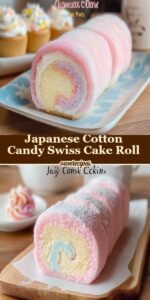
Introduction
The world of baking is a vast and magical place where simple ingredients like flour and eggs transform into something truly extraordinary. Among the many wonders of the culinary world, the Japanese cotton candy Swiss cake roll stands out as a masterpiece of texture and delicate flavor. This recipe is not just about making a dessert, it is about creating an experience that feels like biting into a soft and sweet cloud that melts on your tongue instantly. Unlike traditional western sponge cakes which can sometimes feel heavy or dry, this Japanese version uses a unique method to ensure the sponge remains incredibly moist and flexible. When you master this recipe, you are learning the art of the soufflé sponge, a technique that requires patience and a gentle touch but rewards you with a cake that is remarkably light. It is called a cotton candy roll because of that specific airy quality that makes you want to go back for a second or third slice without feeling weighed down. This cake represents the peak of Japanese confectionery style, where the focus is always on the balance of sweetness and the perfection of the crumb structure.
People all over the globe have fallen deeply in love with this specific cake for several very good reasons that go beyond just the taste. The first thing anyone notices is the visual beauty of the roll, which features a perfectly golden brown skin on the outside and a snow white cream filling on the inside. It looks like something you would find in a high end boutique bakery in Tokyo, yet it is something you can achieve in your very own kitchen with the right guidance. Another reason for its massive popularity is the mouthfeel, which is often described as bouncy and velvety at the same time. In a world where many desserts are overly sugary and rich, this cake offers a refreshing change because it relies on the natural aroma of fresh eggs and high quality cream. It appeals to people who appreciate the finer details in food, such as the way the cake springily bounces back when you touch it. Many fans of this recipe also love it because it is not intimidatingly sweet, making it a favorite for adults and children alike who want a treat that feels sophisticated and gentle.
Choosing when to make this Japanese cotton candy Swiss cake roll is easy because it fits perfectly into almost any life event or emotional state you might find yourself in today. If you are feeling a bit stressed and need a creative outlet, the process of whipping egg whites into soft peaks and gently folding them into the batter can be incredibly meditative and calming for the mind. For those who are celebrating a special occasion like a birthday or a family gathering, this cake serves as a stunning centerpiece that shows your guests you put genuine effort and love into their treat. From a fitness perspective, this cake is actually a much lighter alternative to heavy chocolate cakes or dense cheesecakes because it uses air as a primary leavening agent rather than heavy fats. It allows you to enjoy a satisfying dessert while keeping the calorie count much lower than traditional pastries, which is perfect for someone who wants to stay mindful of their health while still indulging their sweet tooth. Whether it is a sunny afternoon tea with friends or a quiet evening at home, this cake brings a sense of luxury and comfort to the table that few other desserts can match.
The journey of creating this cake is also a wonderful way to improve your skills as a home baker because it teaches you the fundamentals of aeration and temperature control. You will learn how to handle ingredients with care and how to watch for subtle changes in texture that signal the cake is ready. Making this recipe is like giving a gift to yourself and your loved ones, as the aroma of vanilla and toasted sugar fills your home and creates a warm and inviting atmosphere. It is a recipe that encourages you to slow down and enjoy the process of measuring, mixing, and rolling. Once you see the beautiful spiral of cream inside the soft yellow sponge, you will feel a great sense of pride in your accomplishment. This cake is more than just food, it is a symbol of elegance and simplicity that proves you do not need complicated decorations to make something truly beautiful. By following the steps provided, you will be able to recreate this bakery classic and bring a little bit of Japanese dessert culture into your own dining room for everyone to enjoy and remember for a long time.
Ingredients You Will Need
To make this delicious cake, you will need to gather several fresh ingredients. Please make sure everything is at room temperature unless the recipe says otherwise to ensure the best results.
-
Four large eggs separated into whites and yolks
-
Sixty grams of high quality cake flour
-
Fifty grams of granulated white sugar for the egg whites
-
Twenty grams of granulated white sugar for the egg yolks
-
Forty milliliters of vegetable oil or any neutral tasting oil
-
Fifty milliliters of whole milk
-
Five milliliters of pure vanilla extract
-
Two grams of fine sea salt
-
Two hundred milliliters of heavy whipping cream for the filling
-
Thirty grams of powdered sugar for the cream
-
Five grams of vanilla bean paste for the filling
Step by Step Method
Preparing Your Baking Space
Before you start mixing any ingredients, you must prepare your oven and your baking pan. Preheat your oven to one hundred and seventy degrees Celsius. This temperature is vital because if the oven is too hot, the cake will crack, and if it is too cool, it will not rise properly. Take a rectangular baking pan that is about twenty eight centimeters by twenty eight centimeters. Line the bottom and the sides of the pan with parchment paper. Do not use butter to grease the paper because the cake needs to grip the sides slightly to climb and rise. Ensure the paper is flat and smooth so your cake does not have any unwanted wrinkles on the surface.
Mixing the Liquid Base
Start by taking a medium sized mixing bowl and placing the four egg yolks inside. Add twenty grams of sugar and the sea salt to the yolks. Use a hand whisk to beat them together until the mixture becomes slightly pale and creamy. Slowly pour in the vegetable oil while you continue to whisk. This creates an emulsion that keeps the cake moist. Once the oil is fully incorporated, pour in the milk and the vanilla extract. Give it another good whisk until everything is well combined and you see a few small bubbles on the surface.
Sifting the Flour
Hold a fine mesh strainer over the yolk mixture and pour in your sixty grams of cake flour. Sifting is a step you should never skip because it removes lumps and adds air to the flour, which contributes to the cotton candy texture. Use your whisk to gently mix the flour into the liquid. Stop as soon as you see no more white streaks of flour. You want a smooth and runny yellow batter. Over mixing at this stage can develop gluten, which would make the cake tough rather than soft and fluffy.
Whipping the Egg Whites
This is the most important part of the entire recipe. In a large and perfectly clean glass or metal bowl, place your four egg whites. Make sure there is not a single drop of yolk or oil in the bowl, as this will prevent the whites from foaming. Using an electric hand mixer on medium speed, begin to beat the whites until they become frothy like soap bubbles. Add one third of the fifty grams of sugar and continue beating. As the bubbles get smaller and the mixture turns white, add the second portion of sugar. Finally, add the remaining sugar and increase the speed to high. You are looking for stiff peaks that stand up straight when you lift the beaters, but the tips should slightly curve over like a bird beak. This is often called a firm medium peak.
Combining the Two Mixtures
Now you must fold the two mixtures together very gently. Take about one third of the whipped egg whites and add them to the yellow yolk batter. Use a whisk to stir them in quite freely. This lightens the heavy yolk base so it is easier to mix with the rest of the whites. Now, switch to a rubber spatula. Pour the yolk mixture into the remaining egg whites. Use a folding motion by cutting through the center, scraping the bottom, and turning the batter over. Do this slowly and stop once the color is uniform. You want to keep as much air in the batter as possible.
Baking the Sponge
Pour the batter into your prepared baking pan from a height of about ten centimeters. This helps to break any large air bubbles that might be lurking inside. Use a flat spatula to smooth the surface so it is even. Tap the pan firmly on the counter two or three times to release any trapped air. Place the pan in the center of your preheated oven. Bake for about fifteen to eighteen minutes. The top should be a beautiful light golden brown and should feel springy when you touch it gently with your finger.
Cooling and Rolling
Once the cake is out of the oven, immediately lift it out of the pan using the parchment paper edges. Place it on a wire cooling rack. Peel the parchment paper away from the sides but leave it underneath. Place a fresh piece of parchment paper over the top of the hot cake and flip it over. Gently peel off the original bottom paper to reveal the smooth surface. Flip it back over so the golden skin is facing up. While the cake is still warm but not hot, roll it up loosely with the parchment paper inside. This trains the cake to hold its shape and prevents cracking later. Let it cool completely in this rolled shape.
Preparing the Cream Filling
While the cake cools, make your filling. Pour the cold heavy whipping cream into a chilled bowl. Add the powdered sugar and the vanilla bean paste. Use your electric mixer to beat the cream until it reaches very stiff peaks. It should be thick enough to hold its shape perfectly. Be careful not to over beat it or it will turn into butter. Keep the cream in the refrigerator until the exact moment you are ready to fill the cake.
Final Assembly
Unroll the cooled cake carefully. It will have a slight curve, which is perfect. Spread your whipped cream evenly over the surface, but leave a small gap of about two centimeters at the far edge. This prevents the cream from squeezing out when you finish the roll. Starting from the edge closest to you, roll the cake up tightly using the parchment paper to help you push it forward. Once it is rolled, wrap the parchment paper tightly around it like a candy wrapper. Place the roll in the refrigerator for at least two hours. This setting time is crucial for a clean slice.
Serving the Cake
When you are ready to serve, take the cake out of the fridge. Use a sharp knife that has been dipped in hot water and wiped dry to trim the ends. This reveals the beautiful spiral inside. Cut the roll into thick slices and serve immediately. The cake is best enjoyed cold when the cream is firm and the sponge is at its most refreshing state.
Why This Recipe Is Special
This Japanese cotton candy Swiss cake roll is special because it focuses on the purity of ingredients and the perfection of texture. One of the main benefits of this recipe is that it uses the cooked dough method or the highly aerated chiffon method, which ensures the cake stays soft even after being refrigerated. Traditional cakes often get hard in the cold, but this one remains as tender as a marshmallow. From a health perspective, this cake is relatively low in fat because it does not use butter in the sponge. It relies on a small amount of vegetable oil, which contains unsaturated fats, making it a lighter choice for those who are watching their cholesterol levels.
The taste is also incredibly balanced. It is not a sugar bomb that leaves you feeling sluggish. Instead, it features a gentle sweetness that highlights the creamy dairy flavors and the aromatic vanilla. Because the cake is so airy, it provides a high volume of food with less density, which can help with portion control. You feel like you are eating a substantial dessert, but you are mostly consuming tiny pockets of air trapped in a delicate egg structure. This makes it an ideal treat for people who want to enjoy the finer things in life without overdoing their daily caloric intake. Furthermore, the protein from the four eggs provides a tiny bit of nutritional value that you do not often find in more flour heavy desserts.
Extra Tips for Better Taste
-
Always use the freshest eggs you can find because the structural integrity of the cake depends entirely on the strength of the egg white proteins.
-
To get an even better flavor, you can infuse your milk with a bit of lemon zest or a cinnamon stick before adding it to the batter.
-
If you want a very professional look, use a serrated knife to cut the cake and clean the blade between every single slice you make.
-
You can add fresh fruit like strawberries or mango slices into the cream filling to add a pop of color and a boost of vitamins.
-
Make sure your heavy cream has at least thirty five percent fat content so it whips up thick enough to support the weight of the cake.
-
If your cake keeps cracking, try reducing the baking time by one minute or adding a small tray of water to the bottom of the oven to create steam.
-
For an extra touch of luxury, dust the final roll with a tiny bit of powdered sugar or cocoa powder right before you bring it to the table.
-
Try replacing ten grams of the cake flour with high quality matcha powder to create a green tea version of this famous roll.
Final Thoughts
Making a Japanese cotton candy Swiss cake roll is a rewarding journey that brings the elegance of Asian baking into your kitchen. It is a recipe that rewards patience, precision, and a love for soft textures. Once you take your first bite of that airy sponge paired with the silky smooth cream, you will understand why this dessert has captured hearts all over the world. It is a versatile treat that works for any occasion, and its light nature makes it a crowd favorite every single time. I hope you enjoy the process of whisking and rolling as much as you enjoy the process of eating this wonderful creation.
Nutrition Details
Below is a general guide to the nutritional content of this cake per serving. This table assumes the cake is divided into eight equal slices.
| Nutrient Name | Amount Per Serving |
| Calories | Two hundred and ten calories |
| Total Fat | Fourteen grams |
| Saturated Fat | Eight grams |
| Cholesterol | Ninety five milligrams |
| Sodium | Seventy milligrams |
| Total Carbohydrates | Eighteen grams |
| Dietary Fiber | Zero grams |
| Sugars | Twelve grams |
| Protein | Four grams |
| Vitamin D | Ten percent daily value |
| Calcium | Four percent daily value |
| Iron | Two percent daily value |